
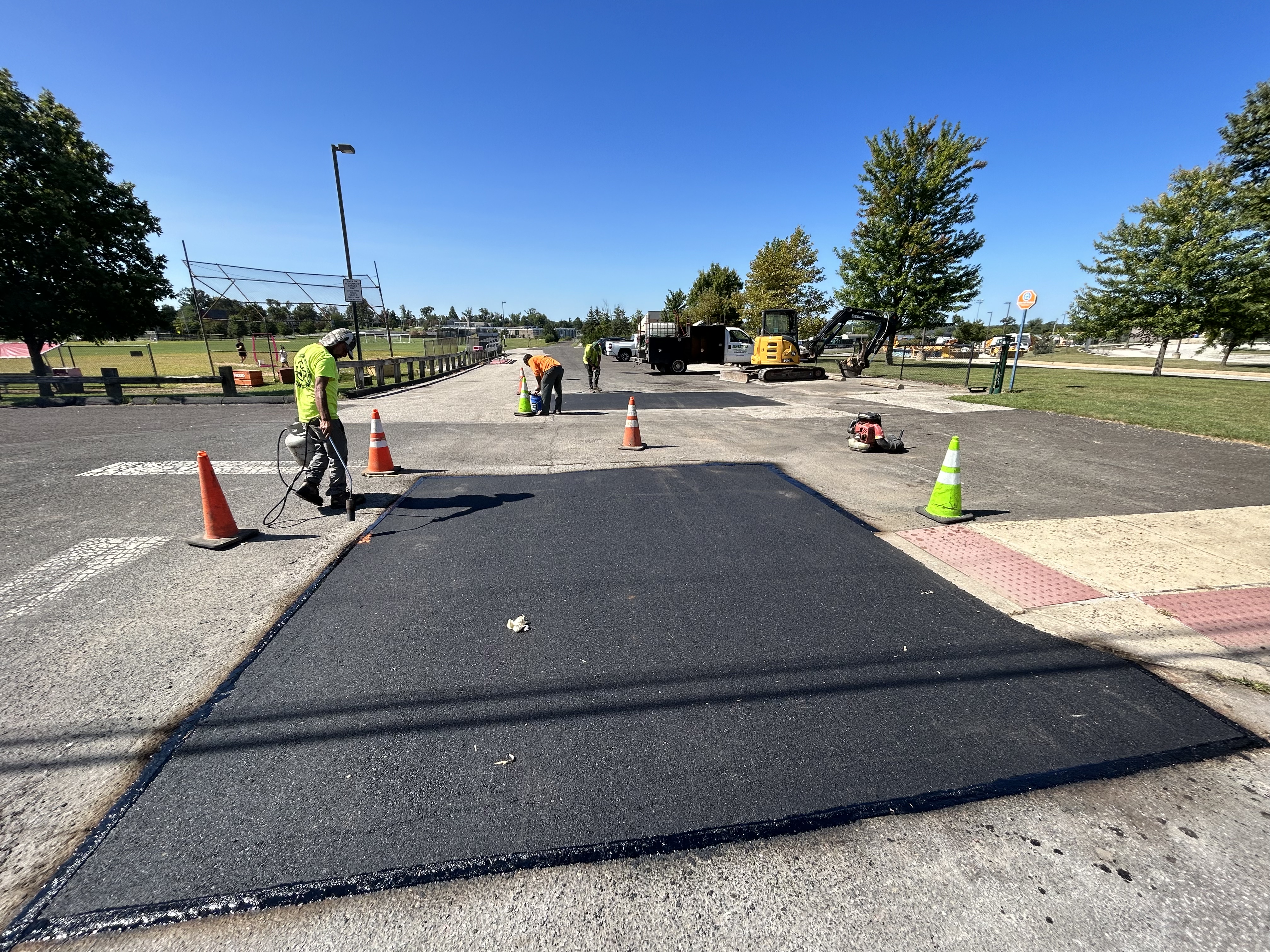
Pennsylvania's four-season climate creates specific constraints on asphalt paving that homeowners and property managers ignore at their peril. Temperature, humidity, ground conditions, and precipitation all affect how asphalt compacts, cures, and bonds to the base. Pave at the wrong time, and even premium materials will underperform — leading to premature cracking, raveling, and surface failure that no amount of maintenance can fix.
The Ideal Paving Window: Late Spring Through Early Fall
The optimal paving season in Pennsylvania runs from mid-April through mid-October, with the sweet spot being May through September. During this window, ambient temperatures typically range from 60°F to 85°F, which is ideal for asphalt compaction. Hot-mix asphalt must be placed and compacted while still hot — generally above 185°F at placement and above 140°F during final rolling. Cool air temperatures accelerate cooling and can prevent achieving proper density.
Spring paving offers the advantage of scheduling flexibility before the summer rush. However, early spring projects must account for frost heave recovery. Pennsylvania soils often retain frost deep into April, and paving over frost-susceptible ground can lead to spring settlement failures. We verify ground thaw depth and soil moisture before scheduling early-season projects.
Why Summer Paving Works Best for Large Projects
June through August provides the most reliable conditions for commercial and large residential projects. Long daylight hours allow extended work windows, warm ground temperatures support proper base moisture evaporation, and consistent weather patterns reduce rain delay risk. For commercial parking lots requiring multiple days of phased construction, summer scheduling minimizes business disruption and weather uncertainty.
One consideration with mid-summer paving is extreme heat. When ambient temperatures exceed 90°F, asphalt cools more slowly, which can allow over-rolling and surface checking. Experienced crews adjust rolling patterns, use lighter tack coats, and schedule the heaviest work for morning hours to manage extreme heat conditions.
Fall Paving: The Last Reliable Window
September and early October remain viable for most Pennsylvania paving projects, though scheduling becomes more weather-dependent. The critical threshold is the overnight low temperature. Once overnight temperatures drop below 50°F consistently, the ground and existing base layers retain cold that prevents new asphalt from maintaining compaction temperature long enough to achieve density specifications.
We typically halt residential and commercial paving by mid-October in Bucks and Montgomery Counties. Exceptions exist for emergency repairs using specialized warm-mix formulations or infrared patching, but these are temporary solutions rather than full installations.
Why Winter Paving Is Never Recommended
November through March is not viable for hot-mix asphalt paving in Pennsylvania. The risks are substantial: frozen base that prevents bonding, moisture trapped beneath the surface that causes spring failure, inability to achieve compaction density, and rapid cooling that creates weak, porous asphalt. Any contractor proposing winter paving for a permanent installation should be questioned seriously.
Winter is, however, the ideal time to plan. Scheduling your spring or summer project during winter months locks in early-season crew availability, often at more favorable pricing before demand peaks, and provides time for proper permitting and base preparation planning.
Silvestera Paving schedules residential and commercial projects throughout the optimal paving season. Winter consultations allow us to plan your spring or summer work, secure crew availability, and develop phased construction plans that minimize disruption to your property or business.
Schedule Your Seasonal Paving ConsultationRelated Articles
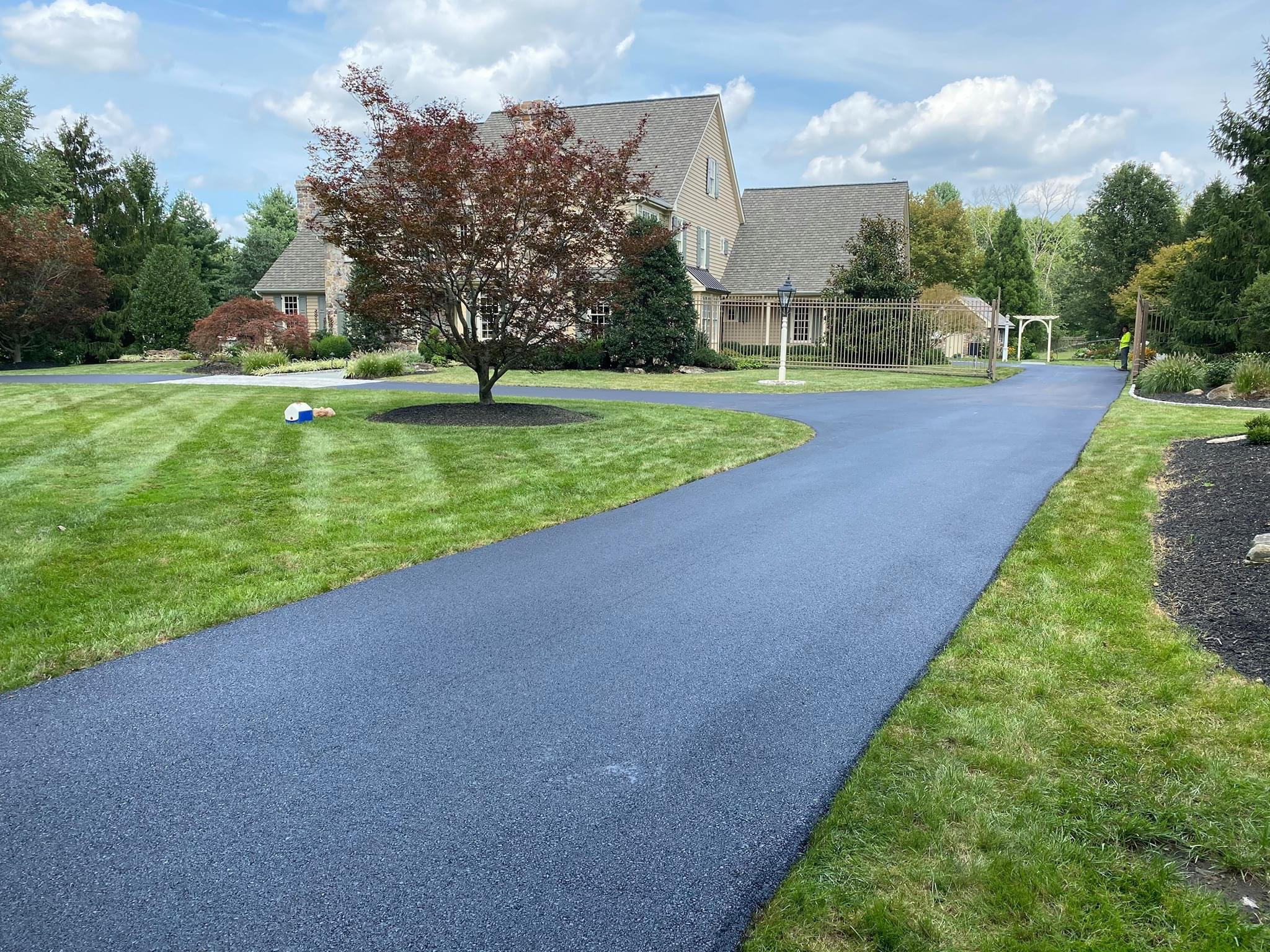
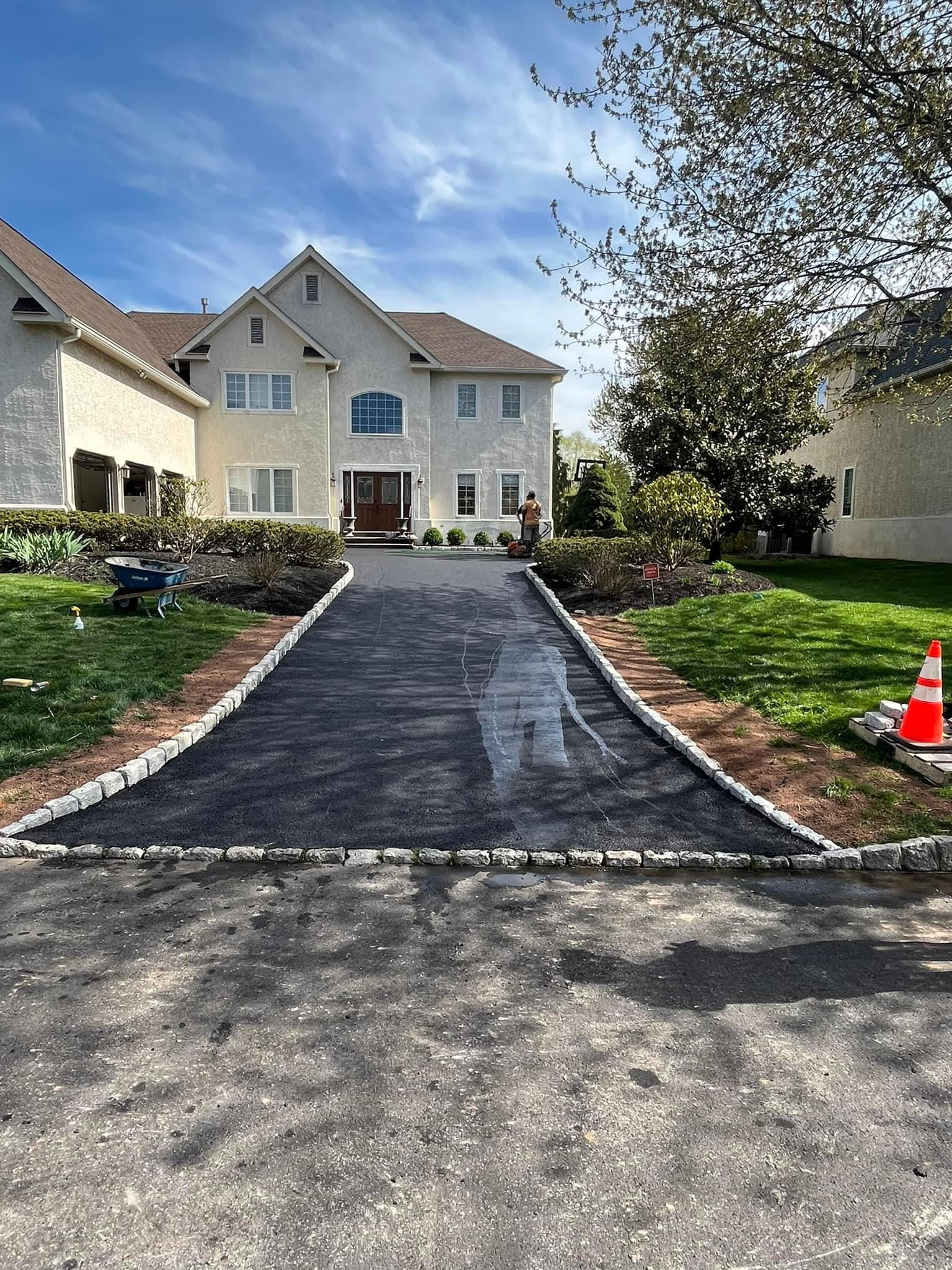
Planning A Paving Project?
Whether you are budgeting for next season or need urgent repairs, Silvestera Paving works with property owners across Bucks County and Montgomery County to phase projects, coordinate financing timelines, and deliver premium results within your budget.