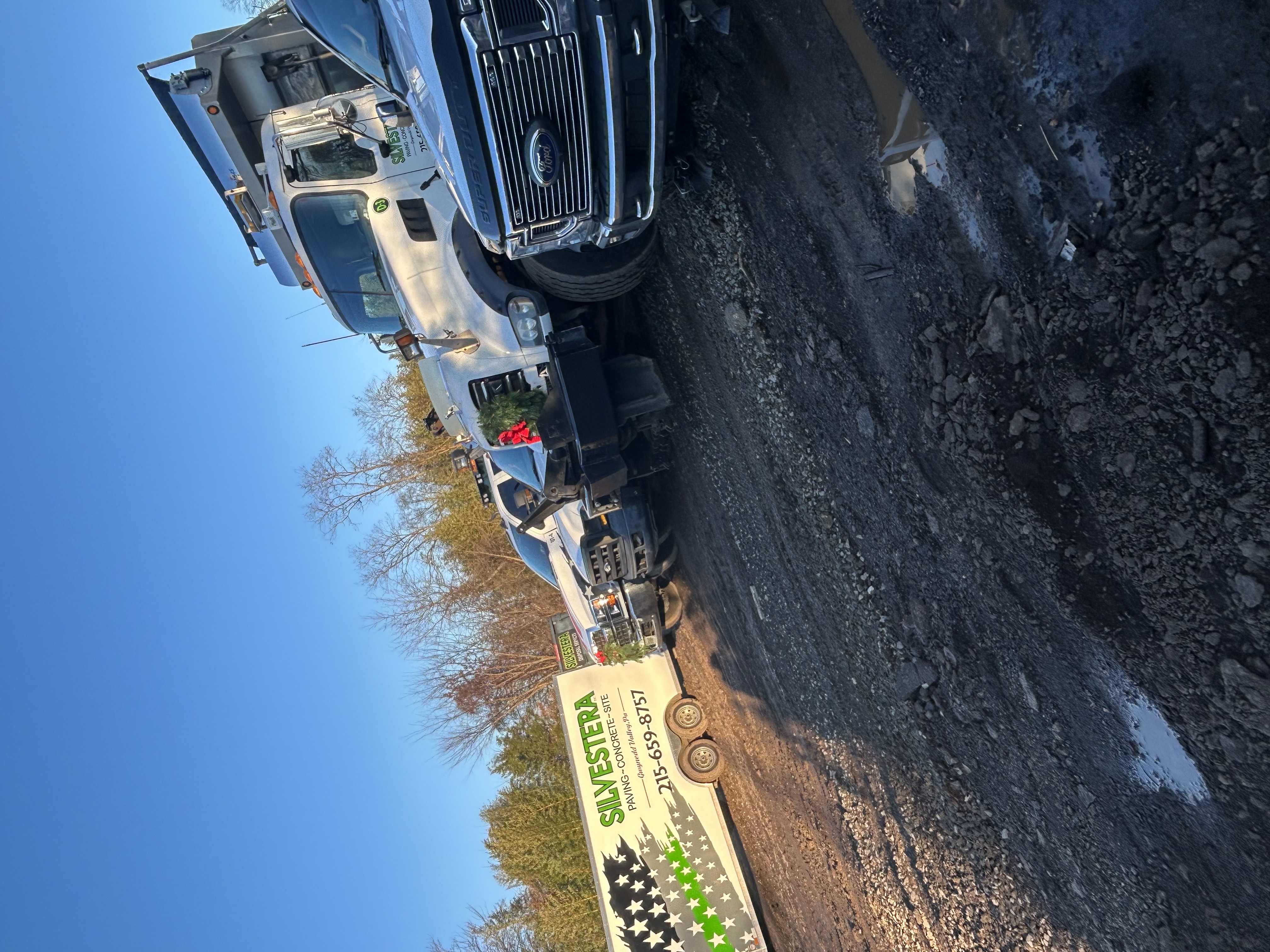
For commercial property managers in Bucks County and Montgomery County, the parking lot is often the first thing customers and tenants notice — and the first thing neglected until it becomes a serious problem. What starts as minor surface cracking can rapidly escalate into structural failure, drainage problems, and even liability exposure if someone trips or is injured.
At Silvestera Paving, we inspect hundreds of commercial parking lots every year across Pennsylvania. The properties that save the most money long-term are the ones that repave at the right moment — not too early, wasting budget, and not too late, when full reconstruction becomes unavoidable. Here are the five critical signs that your parking lot needs professional repaving this year.
1. Alligator Cracking and Spider Webbing
Alligator cracking — the interconnected pattern of cracks resembling alligator skin — is not a surface issue. It indicates structural failure in the asphalt base, usually caused by water infiltration, inadequate base thickness, or repeated heavy loading beyond the design capacity. Once alligator cracking appears across more than 15% of the lot surface, patching becomes impractical and full-depth repaving is the only cost-effective solution.
Property managers often confuse alligator cracking with surface fatigue and attempt sealcoating or crack filling. These treatments cannot restore base integrity. The correct approach is milling the failed surface, repairing the base, and installing a new asphalt lift engineered for your traffic loads.
2. Standing Water and Poor Drainage
Water is asphalt's worst enemy. When your parking lot develops depressions, ruts, or reverse slope where water pools after rain, the damage accelerates exponentially. Each freeze-thaw cycle in Pennsylvania winters forces water to expand within the pavement structure, widening cracks and undermining the base layer. Properties with chronic ponding issues typically need full repaving with corrected grading and drainage infrastructure.
During site evaluations, our engineers assess whether drainage problems stem from surface deterioration or underlying grade failure. In many cases, repaving provides the opportunity to re-establish proper slope, install trench drains or catch basins, and protect the new surface from the same water damage that destroyed the old one.
Concerned about your parking lot condition? Our commercial team provides free on-site evaluations across Bucks and Montgomery Counties. We will assess structural integrity, drainage, and ADA compliance — then recommend the most cost-effective path forward.
Request A Free Commercial Evaluation3. Faded Line Striping and ADA Compliance Failures
Faded parking lot markings are more than an aesthetic concern. They represent a compliance failure that exposes property owners to ADA lawsuits and municipal violations. Pennsylvania's accessibility standards require clearly marked accessible parking spaces with proper dimensions, access aisles, and route markings. When striping becomes unreadable and curbs deteriorate, your property becomes a legal liability.
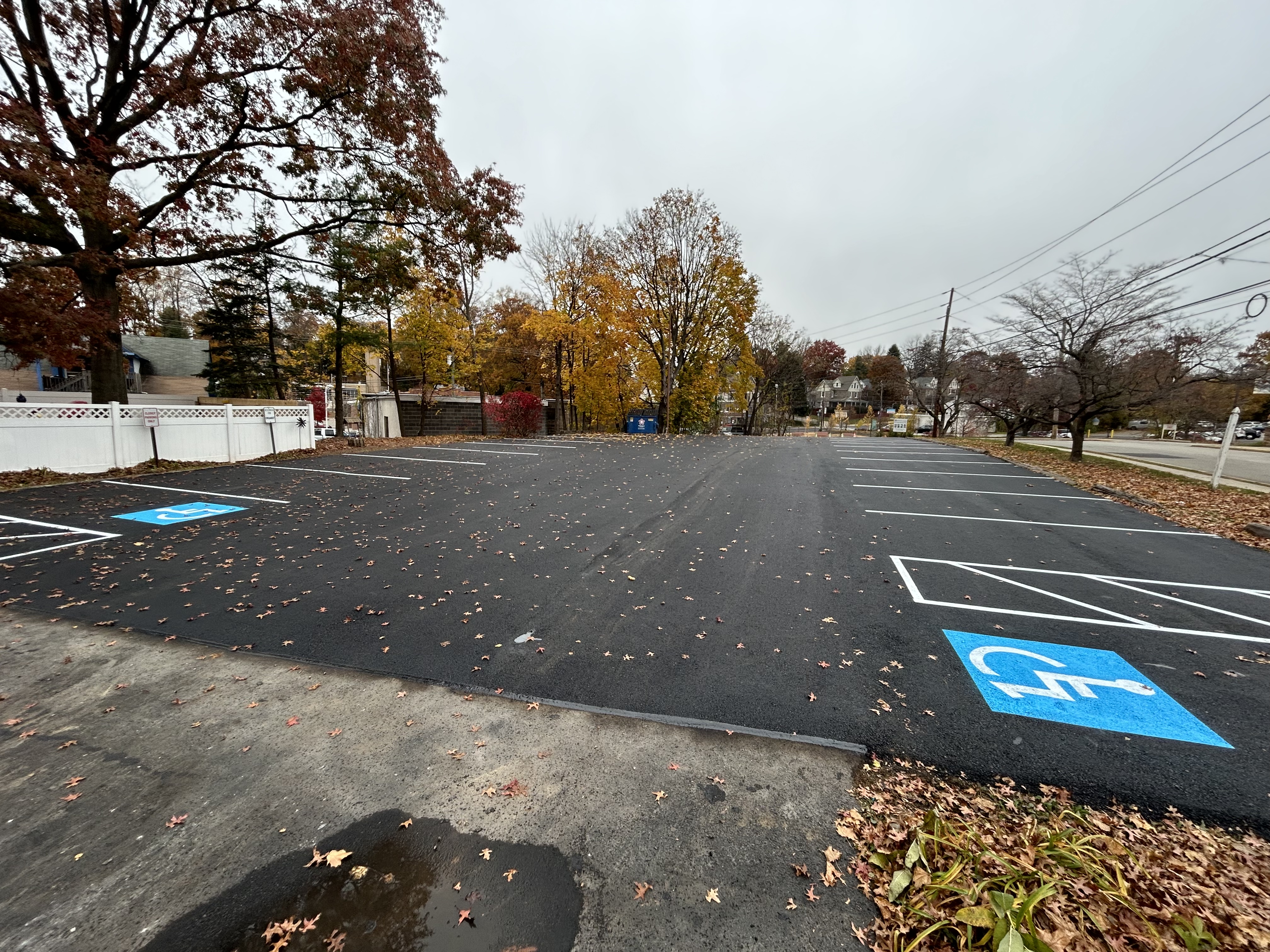
Repaving resolves this comprehensively. A new asphalt surface provides the clean canvas for fresh line striping, proper ADA-compliant accessible space layout, and updated directional markings. Many property managers time their repaving projects to coincide with lease renewals or tenant improvements, maximizing the visual and functional impact.
4. Potholes and Surface Breakdown
Individual potholes can be patched. But when potholes multiply across the lot surface, the underlying base has failed. Each pothole represents water intrusion through the surface layer into the base, creating a void that collapses under traffic load. The cost of perpetual patching eventually exceeds the cost of repaving, while the visual impression of a pothole-ridden lot damages tenant satisfaction and customer perception.
Our commercial clients typically reach a tipping point when annual patching costs exceed 30% of a repaving estimate. At that threshold, repaving delivers better long-term value, eliminates the cycle of emergency repairs, and provides a warranty-backed surface that protects your investment for 15 to 20 years with proper maintenance.
5. Age and Lifecycle Milestones
Even the best commercial parking lot has a finite lifespan. Under normal Pennsylvania conditions with regular sealcoating, commercial asphalt typically lasts 15 to 20 years. Without maintenance, that timeline shrinks to 8 to 12 years. If your lot was last paved before 2010, it is approaching the end of its structural life regardless of visible condition.
Proactive repaving before catastrophic failure allows property managers to schedule work during favorable seasons, negotiate pricing from a position of strength, and avoid emergency repairs during peak business periods. It also provides the opportunity to redesign the lot layout for modern traffic patterns, improved pedestrian safety, and enhanced tenant convenience.
Silvestera Paving has repaved commercial parking lots for retail centers, office complexes, medical facilities, and industrial properties across Bucks County and Montgomery County since our founding. Our estimates include full engineering assessment, permitting, phasing plans for minimal business disruption, and written warranties.
Get Your Commercial EstimateRelated Articles
Planning A Paving Project?
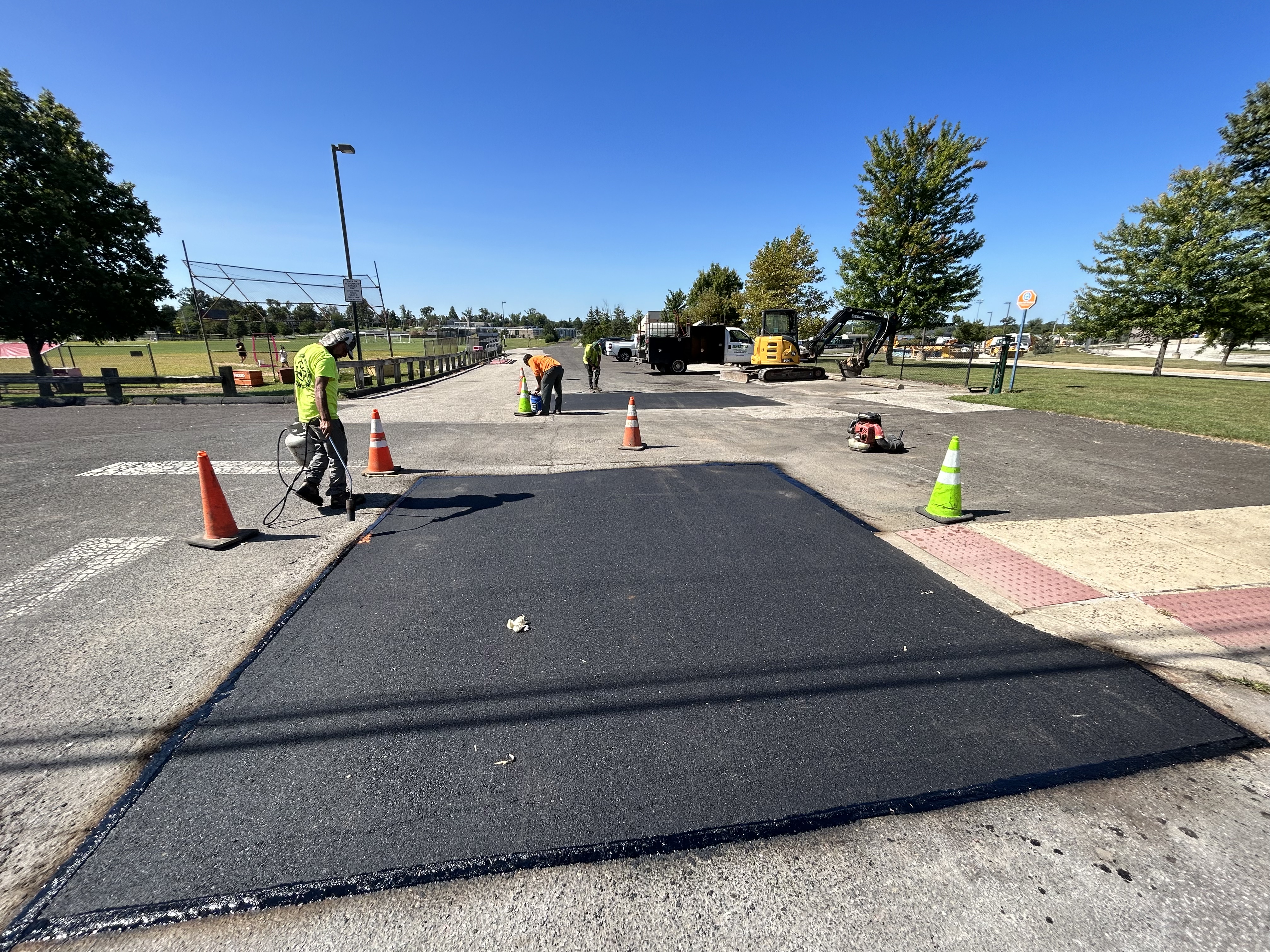
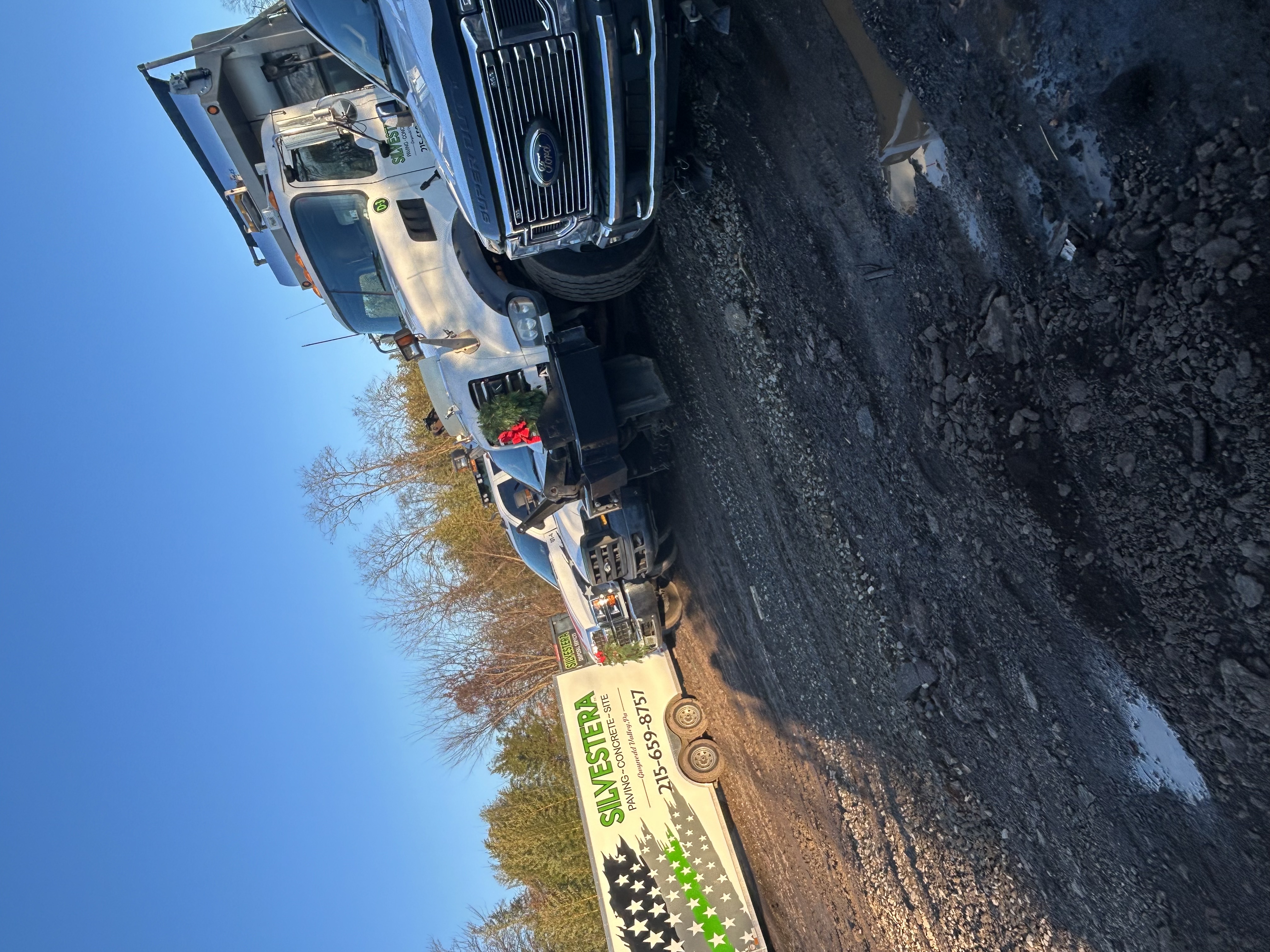
Whether you are budgeting for next season or need urgent repairs, Silvestera Paving works with property owners across Bucks County and Montgomery County to phase projects, coordinate financing timelines, and deliver premium results within your budget.